
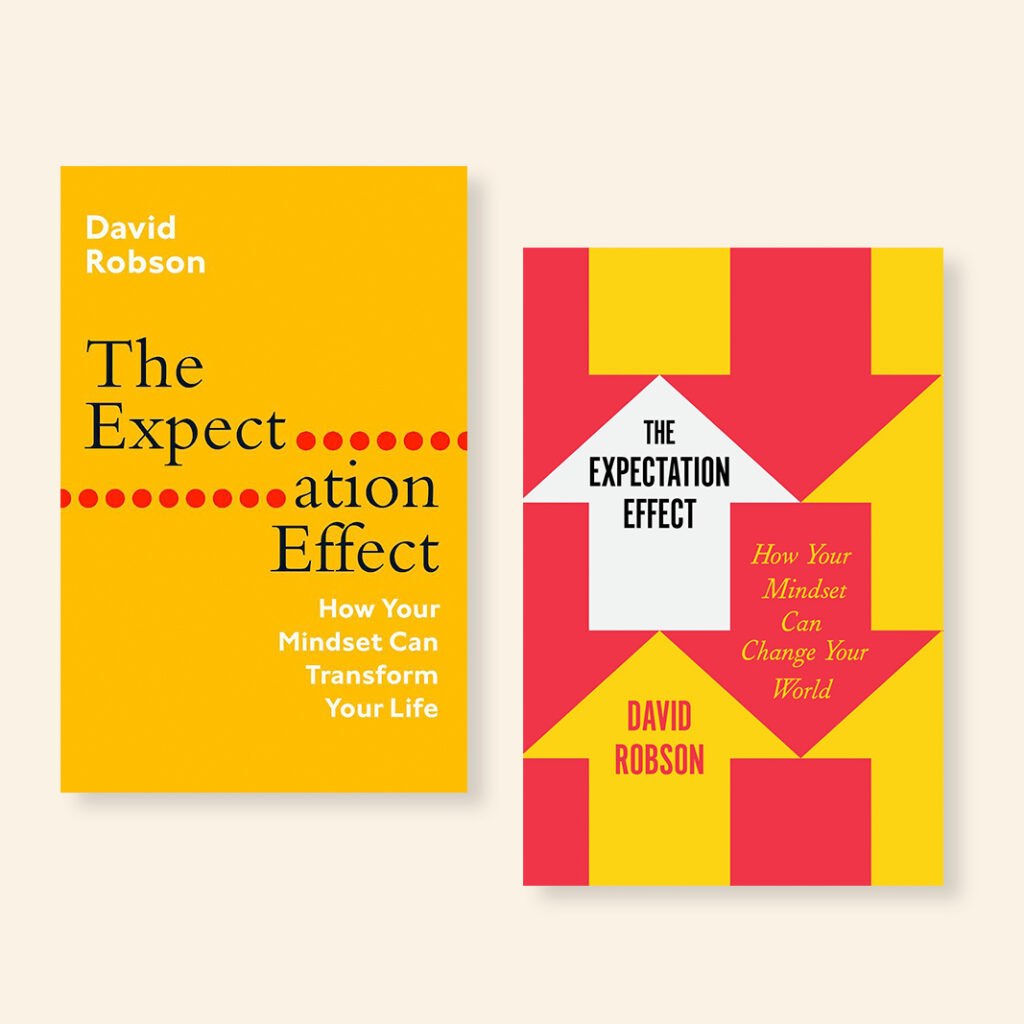
I listened to this book last month on the Audible app.
The book is written by David Robson (pic below), who is a science writer with a background in mathematics. He was a senior journalist at BBC Future for 5 years. His writing has appeared in the Guardian, the Atlantic, Aeon, Men’s Health, and many other publications.

Here are some of my main takeaways from the book. Check out the book here.
“The mind is its own place, and in itself can make a heaven of hell, a hell of heaven..”
― John Milton, Paradise Lost
This quote by one of the greatest poets of all time serves as both the literal and figurative starting point of the book. Our minds create our reality, our moods, our behaviors, our reactions, our emotions, and on and on. Our minds are running the show. Although outside events affect us, we exert a very strong influence on how much the outside events actually affect us.
- Our brains are basically prediction machines. Our minds are always trying to predict the next thing in a sequence, whether it is something we are reading, watching, or hearing. These predictions are largely quite accurate; however, they can also lead us astray. We see what we predict rather than what's out there.
- The placebo effect is a powerful proof of our mind's capacity to control our symptoms and behavior. The dark side of the placebo effect is the Nocebo effect, a phenomenon that is really puzzling, at least on the surface. Here is the Nocebo effect's definition: A situation in which a patient develops side effects or symptoms that can occur with a drug or other therapy just because the patient believes they may occur.
- For example, in a clinical trial, patients who are not given an active treatment, but are told what side effects the active treatment may cause, may have the same side effects as the patients who are given the active treatment, only because they expect them to occur.
- Both the effects make perfect sense if you consider the role of our brain as a prediction machine. It can create both positive and negative effects based on our own expectations about how things are likely to turn out.
- Our minds can perform amazing feats under extreme stress. Consider the phenomenon of "hysterical strength." This is a display of superhuman strength shown by normal people when they encounter extreme, life-or-death situations. There have been numerous such reports, where a normal teenager is able to lift a whole car weighing several hundred kilograms in an accident. Where is this strength when the same teenager is exerting themselves in the gym? The answer is that our brains normally don't activate this strength. It is kept in reserve, and our systems work together to activate it in dangerous situations only.
- Our attitude to stresses of our lives determines what we feel and the effects of stress. This comes back to our minds acting as a gatekeeper of how outside events affect us. Anxiety can actually be turned on its head when we "reframe" it as indicating that we are excited or aroused for an event. This reframing exercise was found to increase the performance of students appearing the GRE exam in a study.
- Prayer, rituals, and superstitions are very powerful. Even nonbelievers can take advantage of such practices to enhance their willpower and focus. One can and should make their own rituals and stick to them to give our minds a boost.
- Our minds also affect how well we age. The book details many super-agers, people who have kept up their abilities and zest for life well into the later years. In essence, a youthful mind is the real elixir of youth.
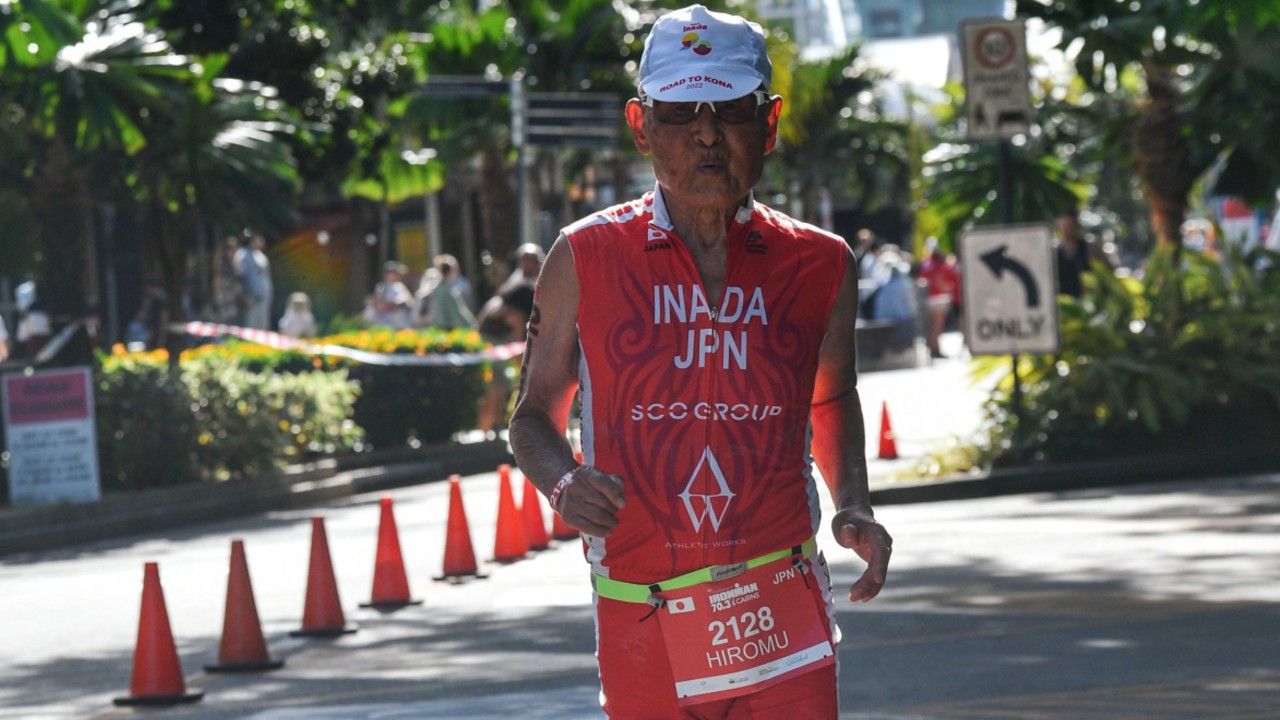
- One example of a super-ager is Hiromu Inada, a Japanese athlete who started his athletic journey after his retirement in his 60s! He completed the Ironman championship in his 80s! An Ironman triathlon consists of a 2.4-mile (3.9 km) swim, a 112-mile (180.2 km) bicycle ride, and a marathon 26.22-mile (42.2 km) run completed in that order, a total of 140.6 miles (226.3 km).
Overall, this is a book that provides a lot of hope to the reader. Our circumstances and events of our lives may not be under our complete control, but there is a LOT under our control. Our thinking about the events of our lives and our attitudes toward them play a huge role in determining how strongly or weakly anything affects us.
No comments:
Post a Comment
Note: Only a member of this blog may post a comment.